
 Italiano
 Français
 Deutsch
 Español
ONIX Zenith XMT20
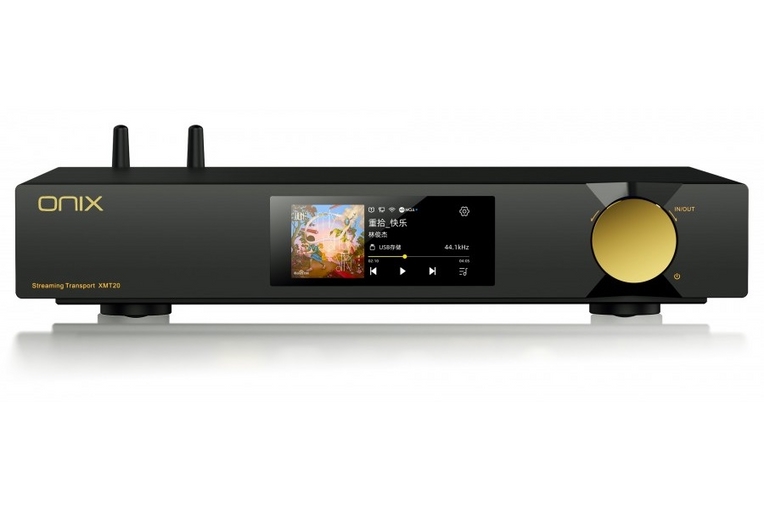
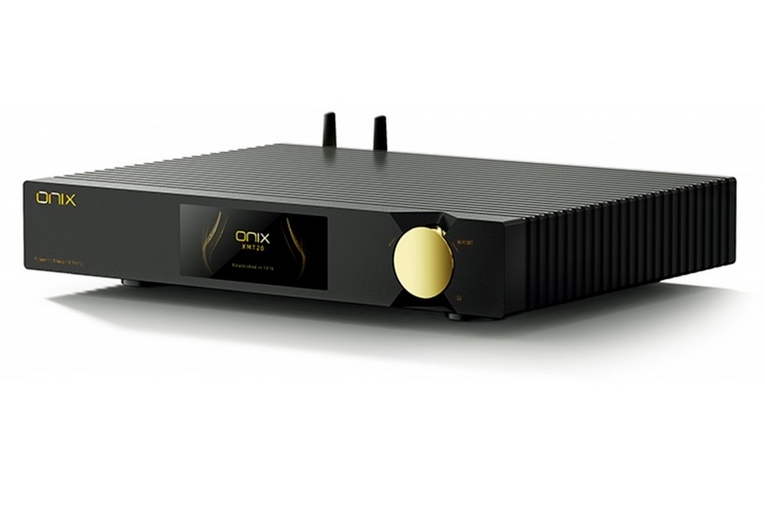
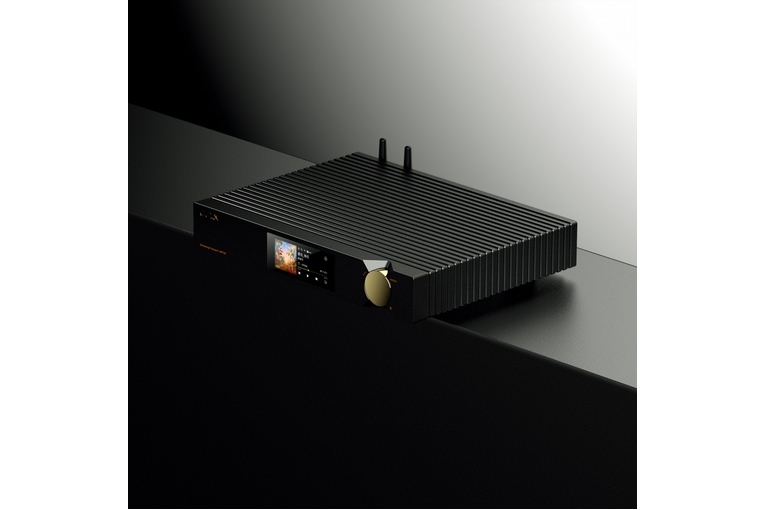

ONIX Zenith XMT20
2.399,00 €
ONIX Zenith XMT20, Pure High-End Network Streamer, configurable HDMI I2S, BNC, AES/EBU XLR, Coaxial, Optical Toslink, USB-A, M.2 NVMe Slot, DLNA, AirPlay2, Roon Ready, Qobuz Connect, Tidal Connect, Spotify
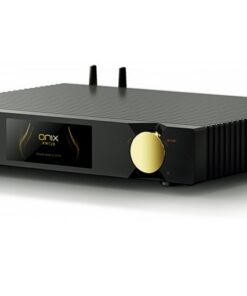
ONIX Zenith XMT20 is a network streamer and pure digital transport designed to integrate into a HiFi system with an external DAC. Its task is to manage local music sources, streaming services and content available on the network, sending the audio signal through several digital outputs. The Linux platform developed internally by ONIX, the 3.4-inch touchscreen display and compatibility with Wi-Fi and Ethernet make it possible to organise listening starting from an orderly and flexible configuration.
The model supports audio files in numerous formats, including DSD, DXD, FLAC, WAV, AIFF, APE, ALAC, AAC, MP3 and other common formats. Through the USB and I2S outputs it can handle signals up to PCM 24 bit/768 kHz and DSD512 Native; the optical, coaxial, BNC and AES/EBU outputs instead reach up to PCM 24 bit/192 kHz and DoP64. In this way, the XMT20 can be connected to digital converters with different inputs, choosing the most suitable connection for the system each time.
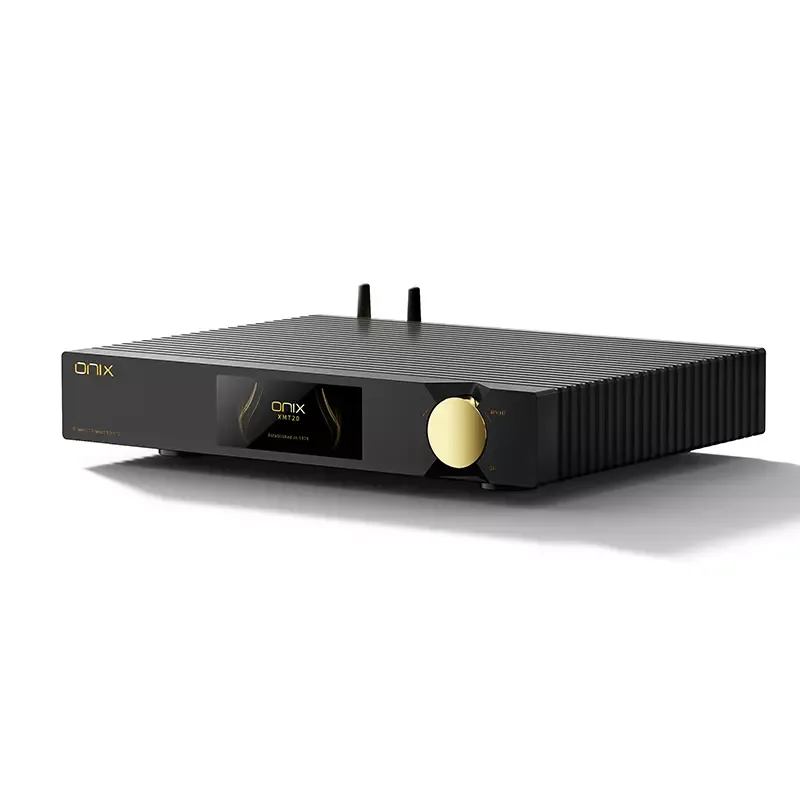
Streamer and digital transport for the HiFi system
The ONIX Zenith XMT20 does not integrate an analogue conversion section described in the available data: it is conceived as a pure digital transport. The signal is therefore transferred to an external DAC through one of the outputs on the rear panel. This configuration makes it possible to integrate it into systems where digital-to-analogue conversion is already entrusted to a dedicated component.
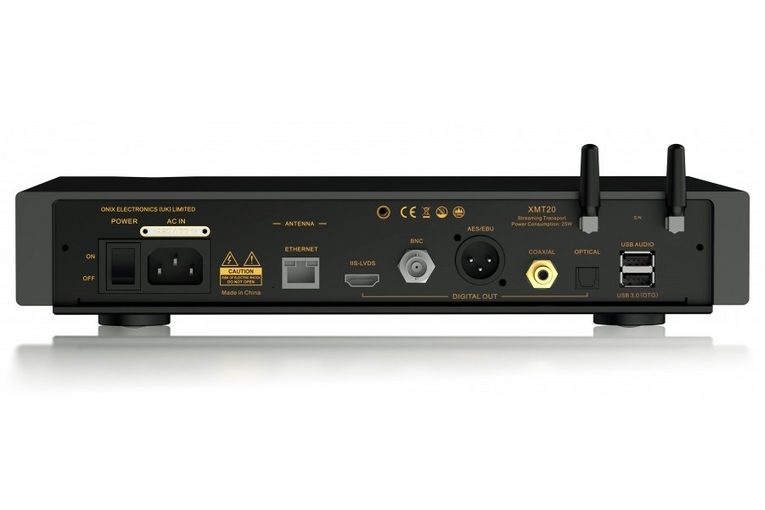
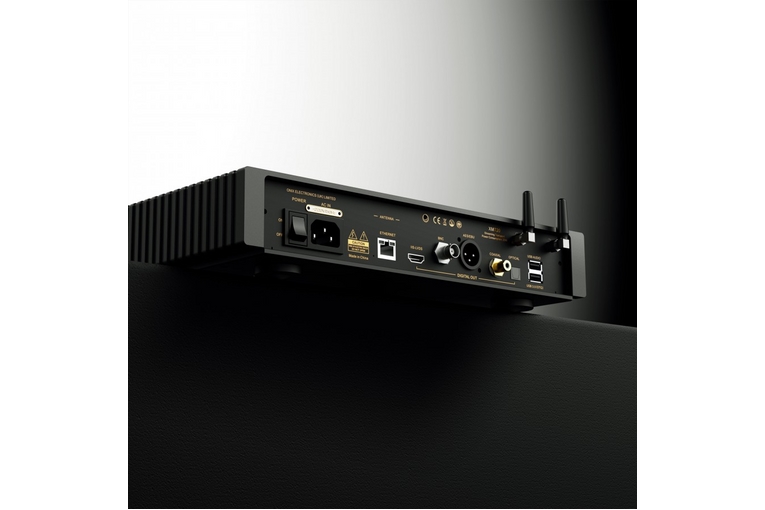
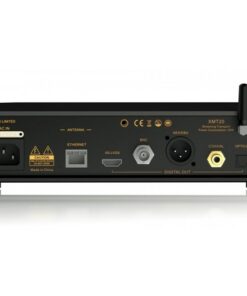
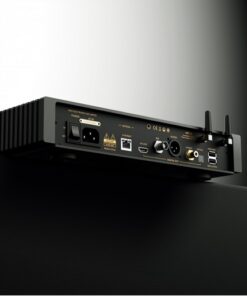
The six available digital outputs include:
- I2S LVDS on HDMI connector, configurable with 10 preset pinout modes;
- USB-A audio;
- BNC;
- AES/EBU;
- coaxial;
- optical.
The four standard outputs — optical, coaxial, BNC and AES/EBU — support PCM up to 24 bit/192 kHz and DoP64. The USB and I2S LVDS outputs are instead intended for higher-resolution content, up to PCM 24 bit/768 kHz and DSD512 Native. The I2S output also offers ten preconfigured pinout configurations, allowing selection of the pinout required by the connected DAC, when compatible.
Streaming, network and music control
For network connection, the XMT20 provides Wi-Fi and Ethernet through an RJ45 port. The network can be used to access supported streaming services, manage files on a NAS or play shared content through compatible protocols. The device supports DLNA and AirPlay 2, as well as Tidal Connect, Qobuz Connect and Roon Ready.
This equipment allows different ways of using the device. Tidal Connect and Qobuz Connect allow playback to be managed from compatible environments, while Roon Ready allows the XMT20 to be integrated into a system based on Roon. DLNA is suitable for playback from compatible servers and network devices; AirPlay 2 instead allows wireless transmission from supported Apple devices.
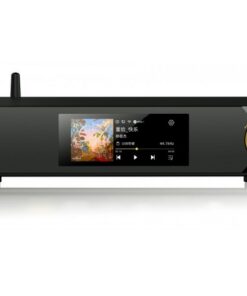
Control can take place directly from the integrated touchscreen, via remote control or through the Eddict Controller app. The app is available for iOS and Android devices and allows music and some device settings to be managed. The declared functions include management of local files, network storage, NAS and USB storage, as well as display of albums and song lyrics and wireless screen projection.
Playback from USB, NAS and internal storage
A rear USB-A port operates as a USB Host and allows an external storage device to be connected for music playback. The declared capacity for playback from a USB drive is up to 2 TB. The XMT20 can also manage content on network storage and NAS, offering a suitable solution for those who keep their music library across multiple sources.
An M.2 NVMe slot is located on the underside of the device. The SSD is not included and must therefore be considered separately. The slot can be used as internal storage to centralise the music library and, together with the USB port, expands the possibilities for organising content without being limited to online streaming alone.
Supported file formats include DSD in ISO, DSF and DFF extensions, ISO, DXD, APE, FLAC, WAV, AIFF, AIF, DTS, MP3, WMA, AAC, OGG, ALAC, MP2, M4A, AC3, M3U, M3U8 and OPUS. The available data also indicates support for managing lists in CUE and ISO formats through the application. The DST format is indicated as unsupported: this aspect should be considered when preparing a music library based on DSD files.
Connecting a CD player and ripping
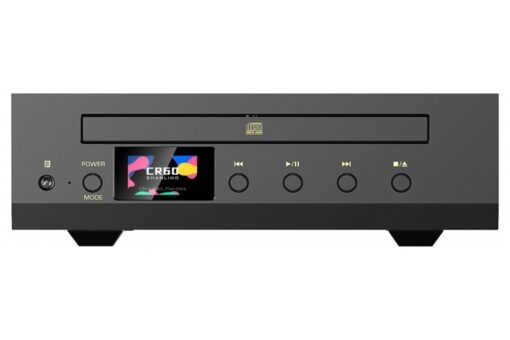
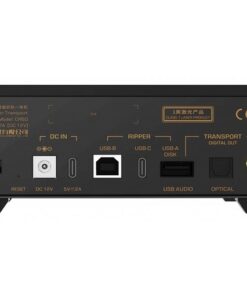
The ONIX Zenith XMT20 can be used with an external CD player connected via USB. Compatibility with USB CD drives and the Shanling CR60 is indicated. In this way, the device can perform both direct disc playback and CD ripping, transferring content to an SSD installed in the M.2 NVMe slot or to a USB drive.
CD library management includes automatic tagging and cover download, according to the functions declared for the system. The result is a more structured way to archive discs and find them later through the device interface or control app. A compatible CD player and a storage destination are required to use this function, since the M.2 NVMe SSD is not included.
Construction, display and power supply
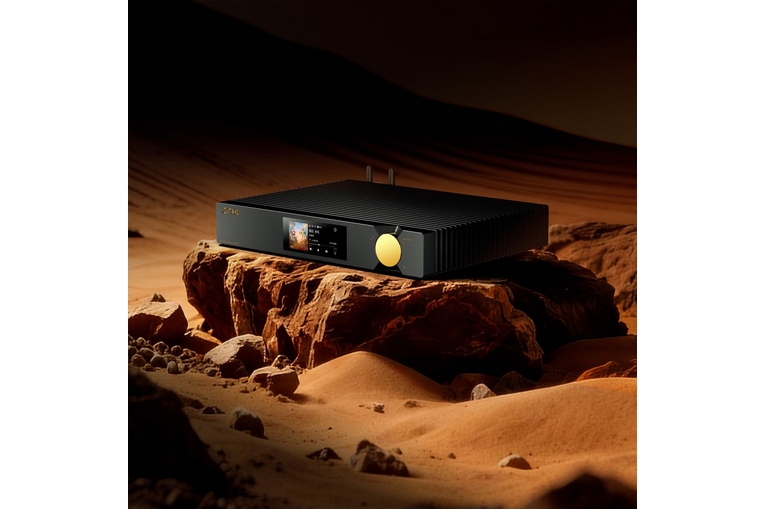
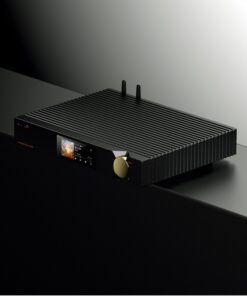
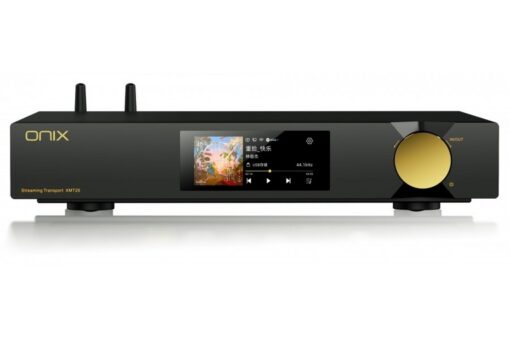
The chassis is made of CNC-machined aluminium, in line with the aesthetic approach of the ONIX range. A 3.4-inch touchscreen is located on the front, useful for displaying information and accessing controls without relying exclusively on a mobile device. The weight of 5.2 kg and dimensions of 32 x 24 x 7.2 cm allow the XMT20 to be placed within a standard-sized HiFi system, naturally checking the available shelf space.
Power is supplied by a 25 VA Talema transformer. The technical data specifies a 220 V, 50 Hz power supply. The package includes one ONIX XMT20 unit; the SSD and any USB CD drives must be purchased separately if required for the chosen configuration.
Specifications and usage configuration
The XMT20 can be configured according to the source and DAC present in the system. For streaming, it can be connected to the network via Wi-Fi or Ethernet and used with Tidal Connect, Qobuz Connect, Roon Ready, DLNA or AirPlay 2. For a local library, USB, NAS, network storage or the M.2 NVMe slot can be selected. For output to the DAC, the available connections range from optical and coaxial connections to AES/EBU, BNC, USB and I2S LVDS.
The choice of output must take into account the DAC inputs and the resolution of the material being played. The standard connections reach PCM 24 bit/192 kHz, while USB and I2S handle PCM up to 24 bit/768 kHz and DSD512 Native. For I2S, one of the ten available pinout modes must be selected according to the connected device.
With its combination of network connectivity, support for local files, app control and multiple digital connections, the ONIX Zenith XMT20 is intended for those who want to bring their music sources together in a single transport and send them to an external DAC. The aluminium design, touchscreen and SSD slot complete a configuration focused on centralised music management.
Main features
- AirPlay support: AirPlay 2
- Album display: Yes
- App type: HiFi music control app
- Android app version: V2.0.5
- Supported audio formats: APE, DSD (DSF, DFF, DST), ISO, WAV, FLAC, AiFF, M4A, AAC, WMA, MP3, OGG
- Declared availability: February 2026
Technical specifications
| Weight | 5.2 kg |
|---|---|
| Width | 32 cm |
| Depth | 24 cm |
| Height | 7.2 cm |
| AirPlay support | AirPlay 2 |
| Album display | Yes |
| App type | HiFi music control app |
| Android app version | V2.0.5 |
| Supported audio formats | APE, DSD (DSF, DFF, DST), ISO, WAV, FLAC, AiFF, M4A, AAC, WMA, MP3, OGG |
| Declared availability | February 2026 |
| CD functions | Direct playback and CD ripping |
| Input for CD player | USB CD drive and Shanling CR60 |
| CD ripping destination | SSD or USB drive |
| Chassis material | Aluminium |
| Precision oscillators | Two KDS quartz oscillators |
| Connectivity | DLNA, Airplay 2, NAS |
| Controls | Touchscreen, remote control, Eddict Controller app |
| Device settings control | Yes |
| Number of digital outputs | Six |
| Standard digital outputs | Optical, Coaxial, BNC, AES/EBU |
| Display | 3.4-inch touchscreen |
| DLNA support | Yes |
| Hi-Res file formats | DSD (.iso, .dsf, .dff), ISO, DXD, APE, FLAC, WAV, AIFF, AIF, DTS, MP3, WMA, AAC, OGG, ALAC, MP2, M4A, AC3, M3U, M3U8, OPUS |
| I2S pinout configurations | 10 preset |
| Playback from USB drive | One rear USB port, up to 2 TB |
| Lyrics display | Yes |
| Chassis machining | CNC-machined |
| Metadata management | Automatic tagging and cover download |
| Manageable music sources | Local files, network storage, NAS, USB |
| Network connection | Wi-Fi and Ethernet |
| Operating system | Internally developed Linux |
| File formats for lists | CUE, ISO |
| Power supply | 25 VA Talema transformer |
| SSD slot | M.2 NVMe, on the underside of the device |
Technical details
The listed specifications help compare the product’s configuration, compatibility and performance.
Frequently asked questions
What is the ONIX Zenith XMT20?
It is a network streamer and pure digital transport. It manages streaming services, local files, content from NAS or USB and sends the digital signal to an external DAC through the available outputs.
What resolutions do the digital outputs support?
The optical, coaxial, BNC and AES/EBU outputs support PCM up to 24 bit/192 kHz and DoP64. USB and I2S LVDS support PCM up to 24 bit/768 kHz and DSD512 Native.
Does the XMT20 include an SSD?
No. The device has an M.2 NVMe slot on the underside, but the SSD is not included and must be installed separately.
Is it possible to play or copy CDs?
Yes, by connecting a compatible USB CD drive or the Shanling CR60. Direct playback and CD ripping to an SSD or USB drive are supported, with automatic tagging and cover download.
How is the device controlled?
Control can take place via the 3.4-inch touchscreen, remote control or the Eddict Controller app for iOS and Android.
| Weight | 5,2 kg |
|---|---|
| Dimensions | 24 × 32 × 7,2 cm |
| AirPlay support | AirPlay 2 |
| Album display | Yes |
| App type | HiFi music control app |
| Android app version | V2.0.5 |
| Supported audio formats | APE, DSD (DSF, DFF, DST), ISO, WAV, FLAC, AiFF, M4A, AAC, WMA, MP3, OGG |
| Declared availability | February 2026 |
| CD functions | Direct playback and CD ripping |
| Input for CD player | USB CD drive and Shanling CR60 |
| CD ripping destination | SSD or USB drive |
| Chassis material | Aluminium |
| Precision oscillators | Two KDS quartz oscillators |
| Connectivity | DLNA, Airplay 2, NAS |
| Controls | Touchscreen, remote control, Eddict Controller app |
| Device settings control | Yes |
| Number of digital outputs | Six |
| Standard digital outputs | Optical, Coaxial, BNC, AES/EBU |
| Display | 3.4-inch touchscreen |
| DLNA support | Yes |
| Hi-Res file formats | DSD (.iso, .dsf, .dff), ISO, DXD, APE, FLAC, WAV, AIFF, AIF, DTS, MP3, WMA, AAC, OGG, ALAC, MP2, M4A, AC3, M3U, M3U8, OPUS |
| I2S pinout configurations | 10 preset |
Only logged in customers who have purchased this product may leave a review.
Related products
Reviews
There are no reviews yet.