
 Italiano
 Français
 Deutsch
 Español
Shanling CR60
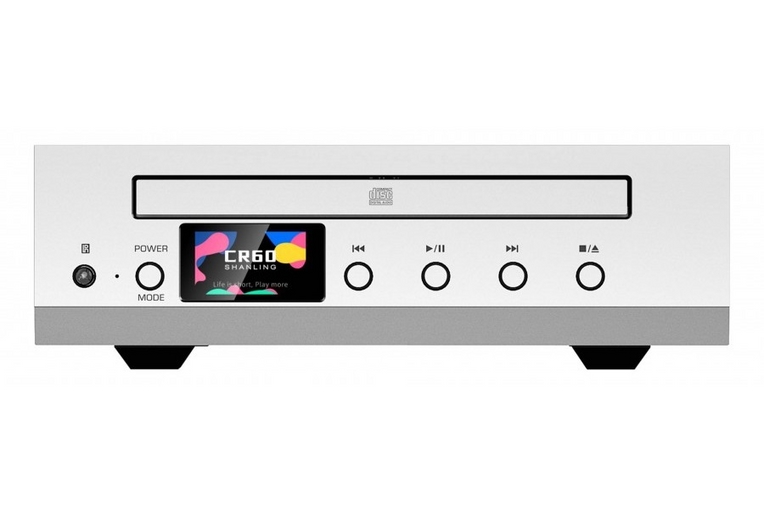
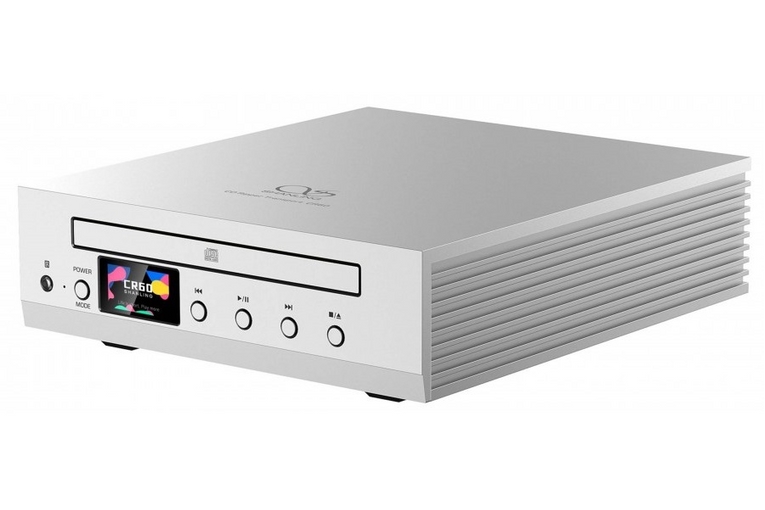
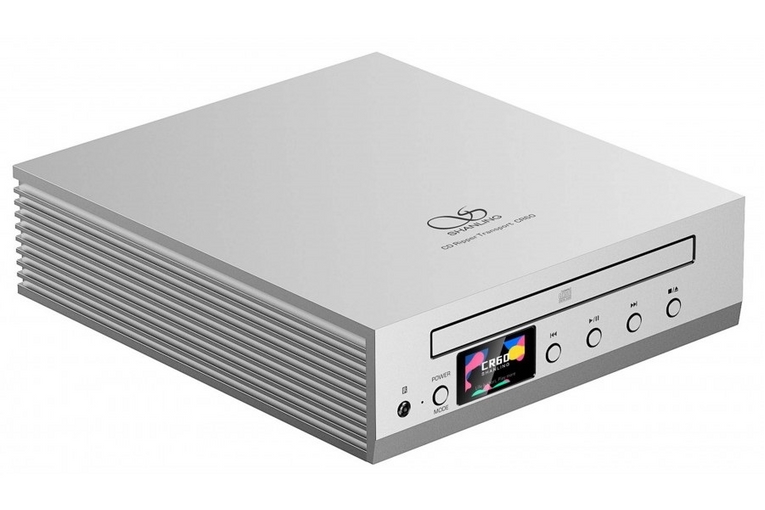
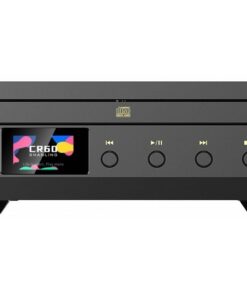
Shanling CR60
299,00 €
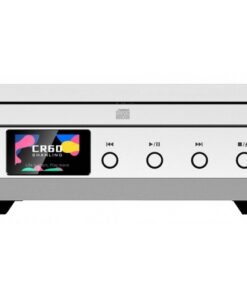
Shanling CR60 CD transport and ripper with Philips mechanism and Sanyo HD850 laser. Outputs: optical, coaxial and USB-A. Ripping to USB, PC and Android (WAV/FLAC). Compact design (20x18x5 cm), 1.14″ display and dual USB-C/DC 12V power supply. No internal DAC.
Shanling CR60 is a hybrid device that combines two functions dedicated to managing music on CDs in a single unit: the CD transport and the digital ripper. It is designed for those who want to continue using their physical disc collection, sending the digital signal to an external DAC, as well as for those who want to extract tracks from CDs and save them as files for more convenient listening on USB storage devices, computers or compatible Android devices.
The CR60 is not a CD player with integrated conversion. Its transport function consists of reading the disc and sending the digital signal to an external converter through the available outputs. The absence of an internal DAC therefore leaves users free to choose which converter to pair with it, without tying the system to a specific conversion section. To use the device as an audio source, it must be connected to an external DAC through a digital output.
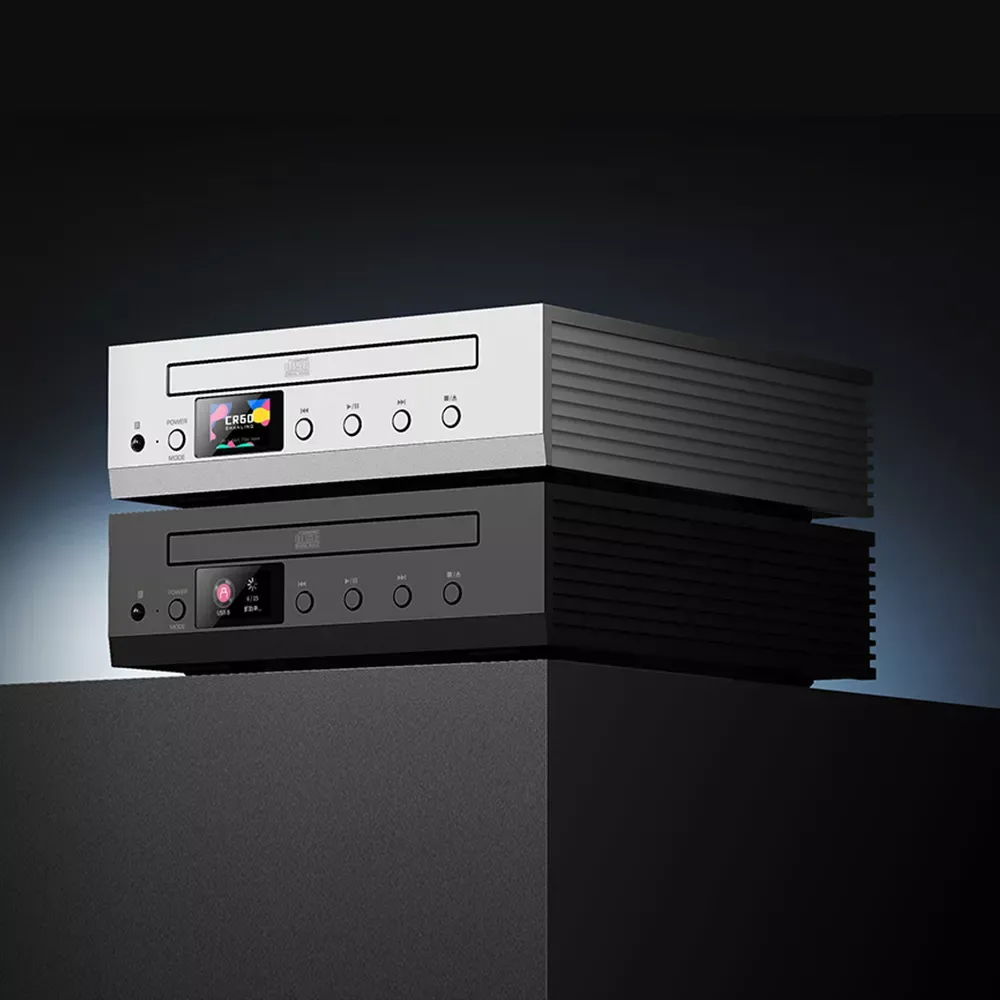
CD transport with Philips mechanism and Sanyo laser
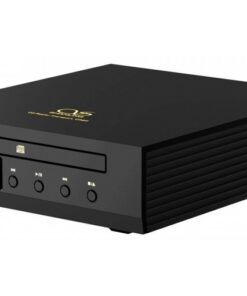
The reading section uses a Philips CD mechanism with a Sanyo HD850 laser assembly. These components are dedicated to reading audio CDs and form the core of the CR60 in transport mode. Loading takes place via a tray, a solution suited to use with a physical disc collection and to the orderly management of playback or acquisition operations.
Digital signal management is handled by the Ingenic X1000 processor with Xburst architecture. According to the available information, this platform is used for digital signal management with the aim of reducing noise and jitter. The CR60 is therefore configured as a digital source, not as a device featuring amplification or analogue conversion.
Digital outputs for external DACs
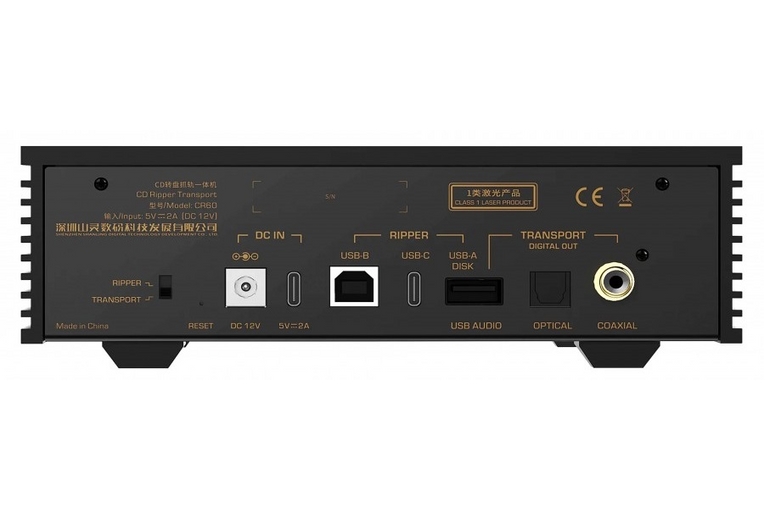
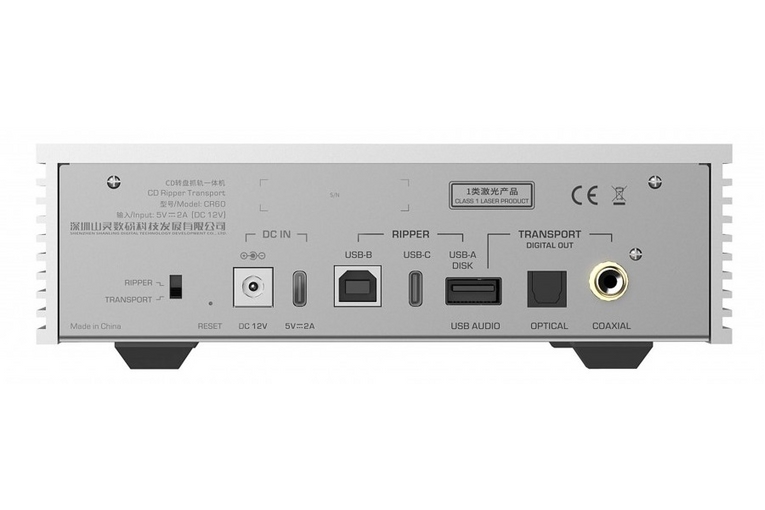
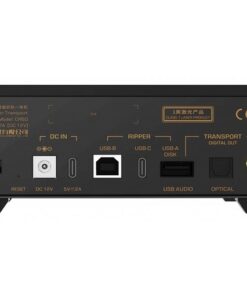
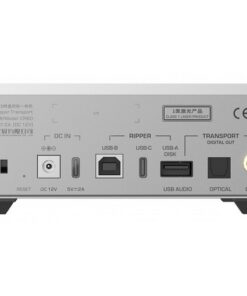
For connection to an audio system, the Shanling CR60 provides several digital options. It features a coaxial output, an optical SPDIF output and a USB-A dedicated to audio output. This equipment allows users to choose the type of connection according to the inputs of the external DAC being used.
- Coaxial output: for sending the digital signal via a coaxial connection.
- Optical SPDIF output: for an optical digital connection to a DAC or other devices equipped with the corresponding input.
- USB-A audio output: for connection to modern DACs, including compatible dongle-type portable DACs and asynchronous DACs.
When an asynchronous DAC is connected via USB, signal timing management is handled by the DAC itself, according to the operation typical of this type of converter. The CR60, on the other hand, remains without an internal DAC: it therefore has no integrated analogue output and cannot reproduce audio independently without an external device responsible for conversion.
CD ripping in multiple modes
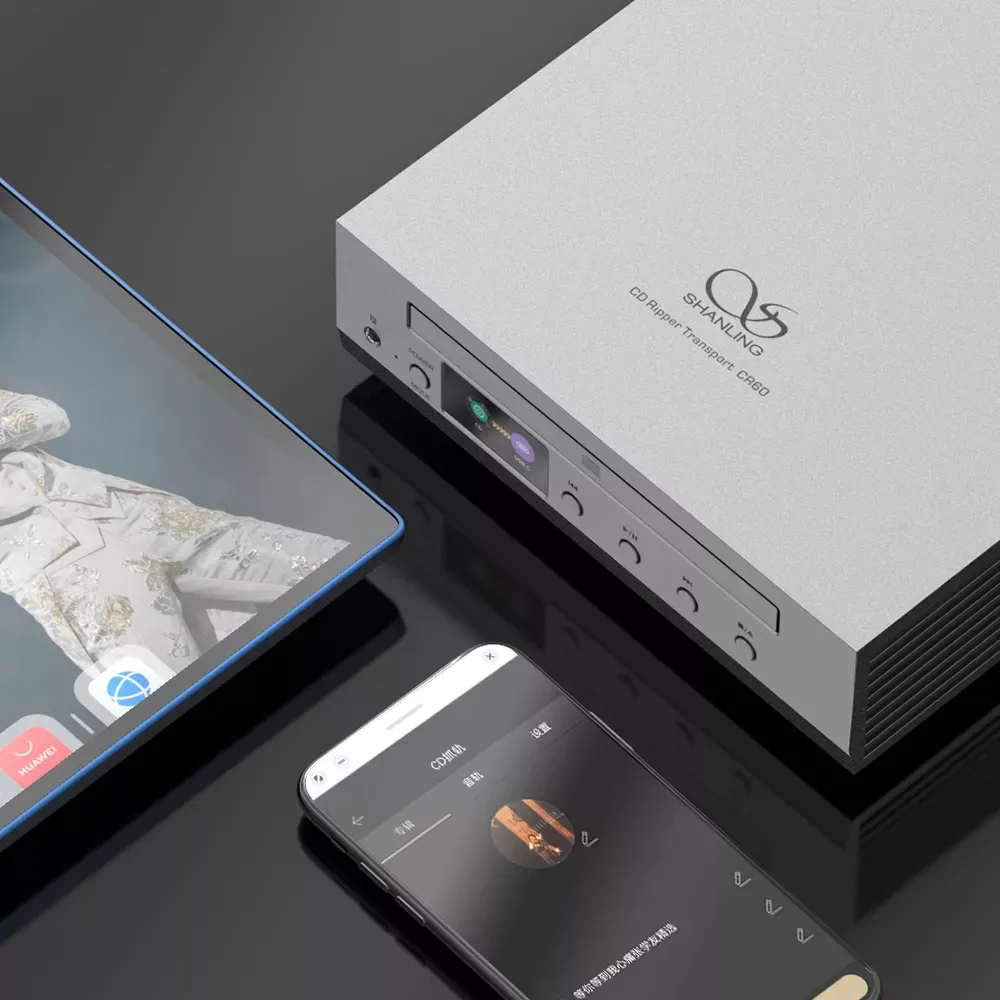
One of the CR60’s main functions is the digital acquisition of tracks. The process can be started via a switch located on the rear panel. Depending on the selected destination, the device allows music to be saved to a USB storage device, the operation to be managed through a compatible Android device, or content to be transferred to a Windows or Mac computer.
Saving to a USB drive
By connecting a compatible USB drive, the CR60 can automatically create organised folders and save tracks in WAV format. This is a lossless format, making it suitable for preserving audio data without the compression typical of lossy formats. This mode is suitable for those who want to extract tracks quickly without using a computer during the operation.
Use with Android and the Eddict Player app
With a compatible smartphone or Shanling portable player, ripping can be managed via the Eddict Player app from version 2.2.4 onwards. In this case, it is possible to edit metadata, manage cover artwork and choose between WAV or FLAC files. Feature availability depends on the actual compatibility of the Android device being used.
The CR60 is not currently compatible with iOS systems. Limitations are also indicated with some Samsung Android smartphones and tablets for the direct ripping function. Before choosing this mode, it is therefore advisable to check that the Android model in use is supported and that the required application is available in the necessary version.
Connection to a computer
The device can also be used with computers running Windows and Mac. In this configuration, it is recognised as an external drive, allowing immediate copying of tracks. This solution offers greater control over file organisation and can be useful when you want to manage the music archive directly from the computer.
Display and controls for everyday use
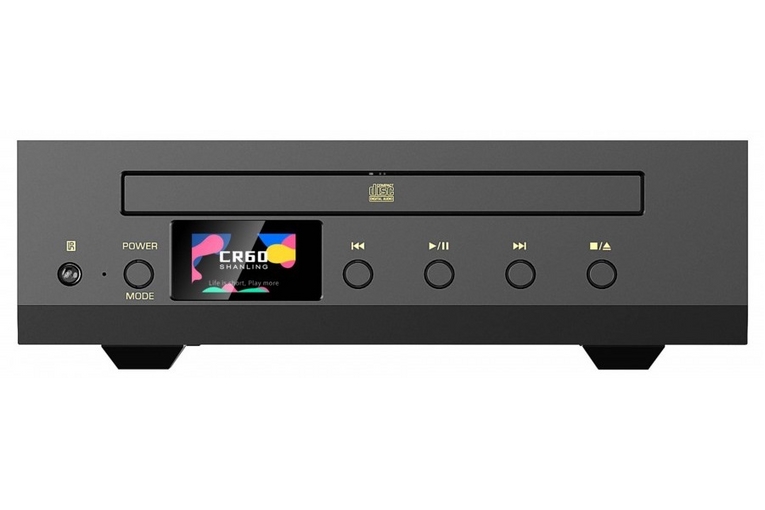
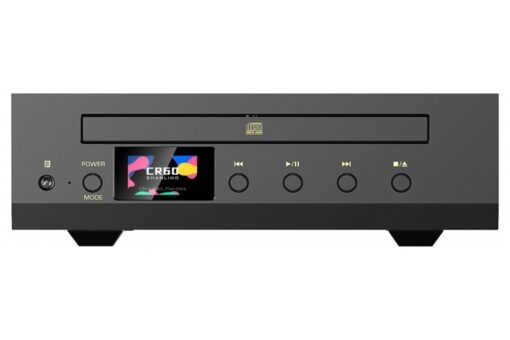
The front panel features a 1.14-inch colour LCD display. The screen provides information about device operation, playback and ripping progress. Depending on the mode being used, it can display track information, metadata and the status of the acquisition operation.
The CR60 is supplied with a remote control, useful for managing functions without constantly operating the unit’s front panel. The package also includes a USB-A to USB-C power cable. The supplied equipment is therefore geared both towards use as a CD source and towards digitising one’s collection.
Compact design and flexible power supply
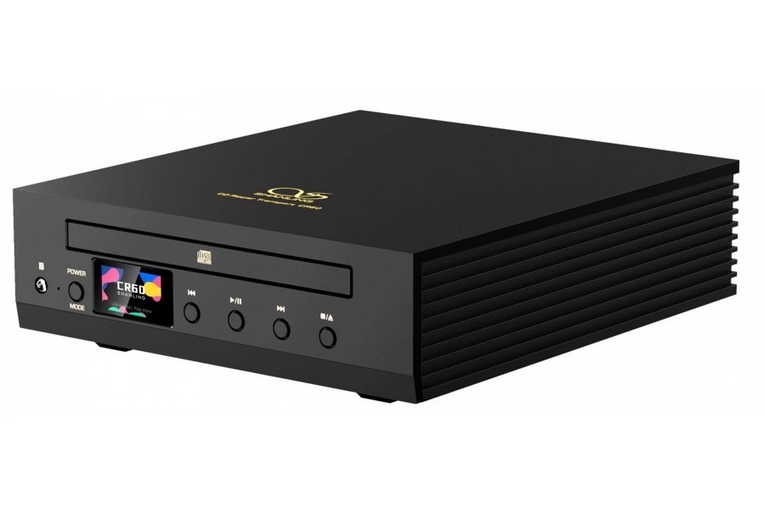
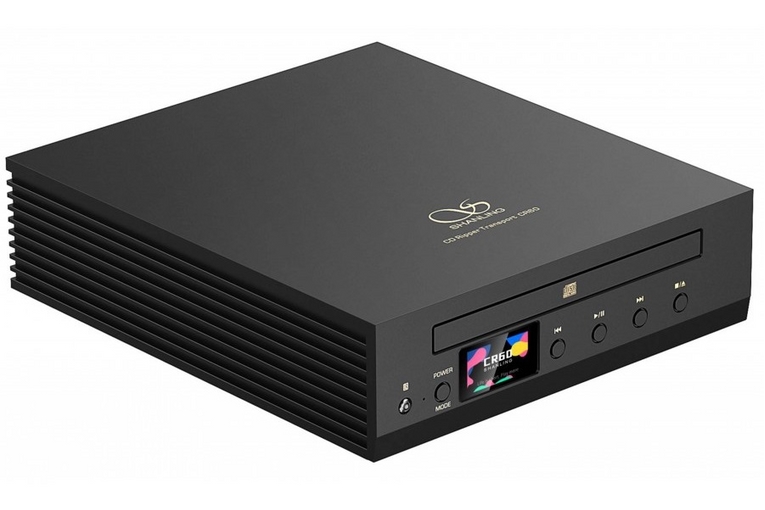
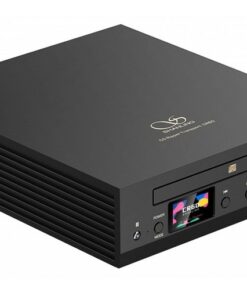
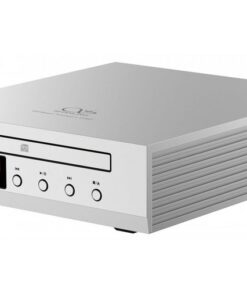
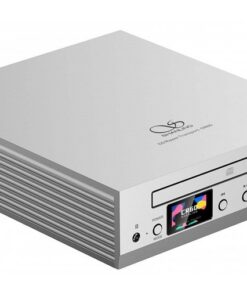
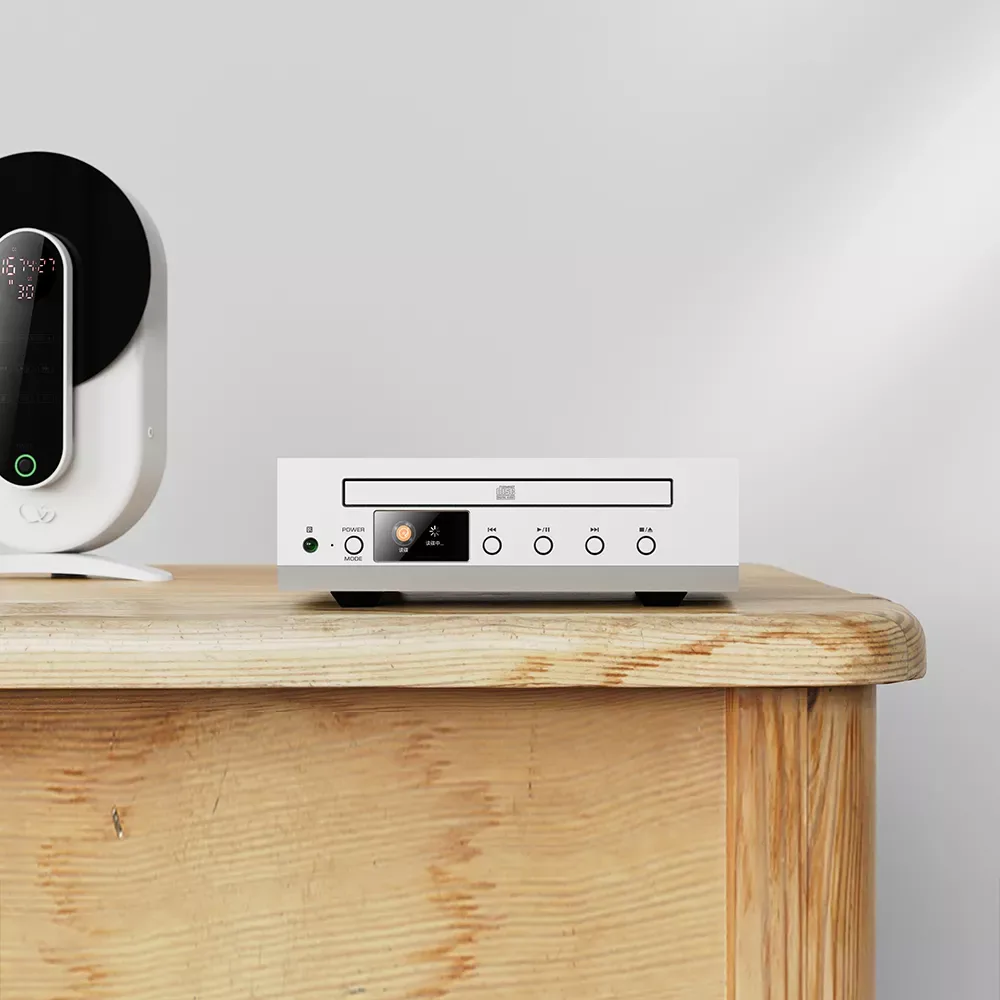
The stated dimensions are approximately 200 x 180 x 50 mm, corresponding to a compact format that can be placed on a desk or installed in a Hi-Fi rack. The aluminium alloy body contributes to a design suited to a home audio environment, while keeping the device relatively compact in terms of space occupied.
Power can be supplied in two ways. The CR60 can be powered via a 5 V/2 A USB-C charger or through a 12 V DC input. This dual option allows users to choose the solution best suited to their system and connection layout. The weight indicated in the specifications is approximately between 1.7 and 2.15 kg.
Who the Shanling CR60 is intended for
The Shanling CR60 is aimed at those looking for a CD transport separate from the DAC and, in the same device, a ripping function for turning audio CDs into digital files. It is a suitable solution for those who already own an external DAC, want to choose the conversion section themselves or wish to connect via coaxial, optical and USB-A outputs.
Its usefulness also extends to organising a digital music library. Saving to USB makes it possible to obtain WAV files without using a computer, while using Eddict Player with compatible Android devices adds management of metadata, cover artwork and FLAC format. Connection to Windows and Mac completes the transfer and archiving options.
In summary, the CR60 is a CD transport and digital ripper with Philips mechanism, Sanyo HD850 laser, Ingenic X1000 processor, colour display, three digital connection modes and USB-C or 12 V DC power supply. The lack of an internal DAC must be taken into account when configuring the system: an external converter must be connected to listen to CDs, while ripping requires choosing a compatible destination from a USB drive, computer or supported Android devices.
Key features
- Product category: CD Player
Technical specifications
| Depth | 28.0000 |
|---|---|
| Height | 13.0000 |
| Product category | CD Player |
Related products
ONIX Zenith XMT20 · ROSE RS520 · ROSE RS451
Frequently asked questions
Does the Shanling CR60 have an integrated DAC?
No. The CR60 is a CD transport and does not include an internal DAC. To listen to the CD signal, it must be connected to an external DAC via the coaxial, optical SPDIF or USB-A audio output.
Which formats can it use for CD ripping?
Direct saving to a USB drive is performed in WAV format. With Eddict Player on compatible Android devices or Shanling players, it is possible to choose between WAV and FLAC.
Can the CR60 be used with a computer?
Yes. The CR60 is compatible with Windows and Mac computers and is recognised as an external drive for copying acquired tracks.
Does the CR60 work with iPhone and iPad?
No. The device is not currently compatible with iOS systems. There are also limitations with some Samsung Android smartphones and tablets for direct ripping.
How can the Shanling CR60 be powered?
It can be powered via a 5 V/2 A USB-C charger or through the 12 V DC input.
| Weight | 0,0000 kg |
|---|---|
| Dimensions | 28 × 28,0000 × 13 cm |
| Finish | Black, Silver |
| Product category | CD Player |
Only logged in customers who have purchased this product may leave a review.
Related products
Music Servers
Reviews
There are no reviews yet.