

 Italiano
 English
Call +39-06-916508973 for informations.
Shanling SCD3.3: Looks can be deceiving.
Shanling SCD3.3: looks can be deceiving.
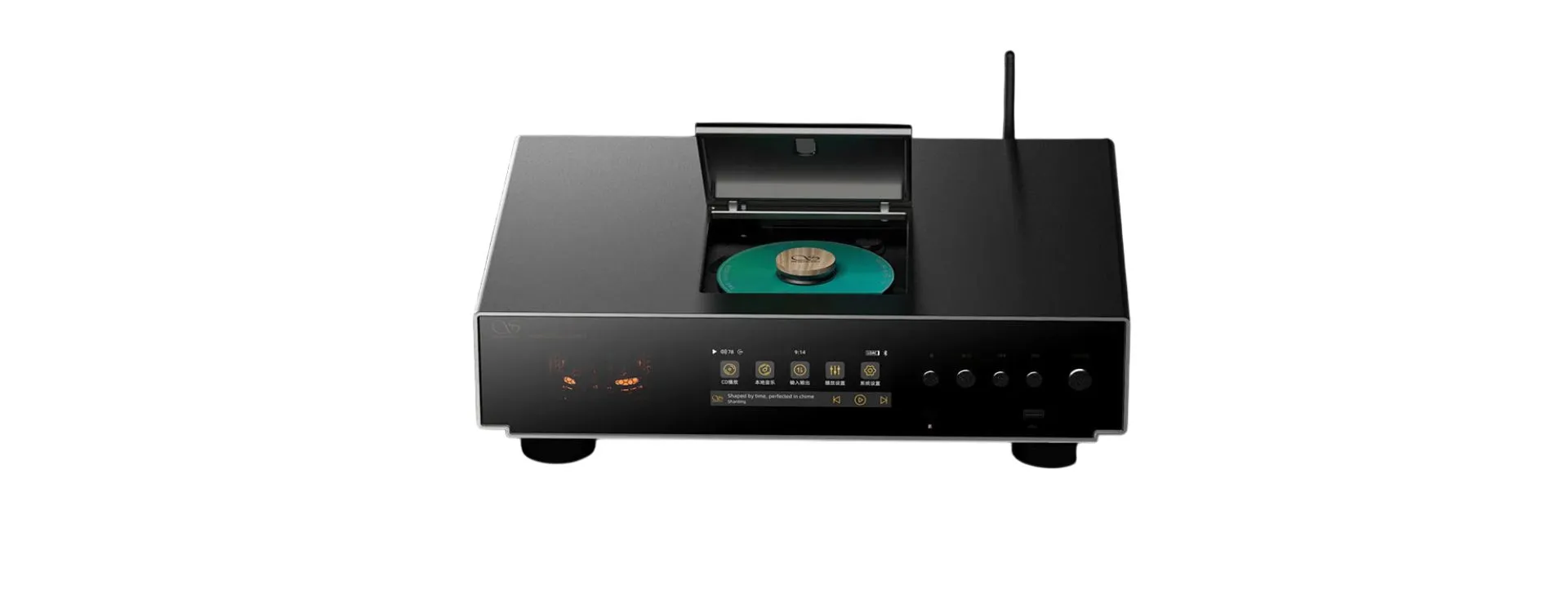
The SCD3.3 might appear to be ‘just’ a CD player, but it does more than simply ‘read discs’; it literally reinterprets the very concept of a digital source. A top-loading mechanism, a DAC with discrete R2R conversion, a valve output stage and DSD handling designed to ensure maximum signal integrity. Tradition and innovation, in short. At first glance, the SCD3.3 might be mistaken for a simple CD player, but in reality it goes far beyond this definition, redefining the very concept of a digital source. The inclusion of a top-loading mechanism, a discrete R2R DAC, a valve output stage and DSD handling designed for maximum signal purity make it a sophisticated and ambitious design. In essence, it is a successful fusion of tradition and innovation. Aesthetically, the SCD3.3 is quite similar to the CT90 mechanism, although the chassis is wider and better proportioned to accommodate more complex and intricate circuitry. The construction retains the solid, minimalist approach typical of the brand, but introduces distinctive elements that emphasise its uniqueness. In particular, on the left is a very elegant plexiglass window, perfectly integrated into the overall design, offering a glimpse of the two 12AT7 tubes used as buffers for the analogue outputs. This solution obviously serves not only an aesthetic purpose, but helps to create an immediate visual link with the unit’s design philosophy, bringing to the fore one of the most defining aspects of its sound architecture. The final effect is that of an object that successfully combines industrial rigour with ‘vintage’ charm, thanks in part to the soft glow of the tubes, which lends depth and visual warmth to the front panel. The result is a form factor that is entirely unusual for a transport and DAC, a far cry from the classic, anonymous rectangular boxes and closer to a component designed to be looked at as well as listened to, almost as if to celebrate the analogue component within an advanced digital device.
2nd-generation R2R
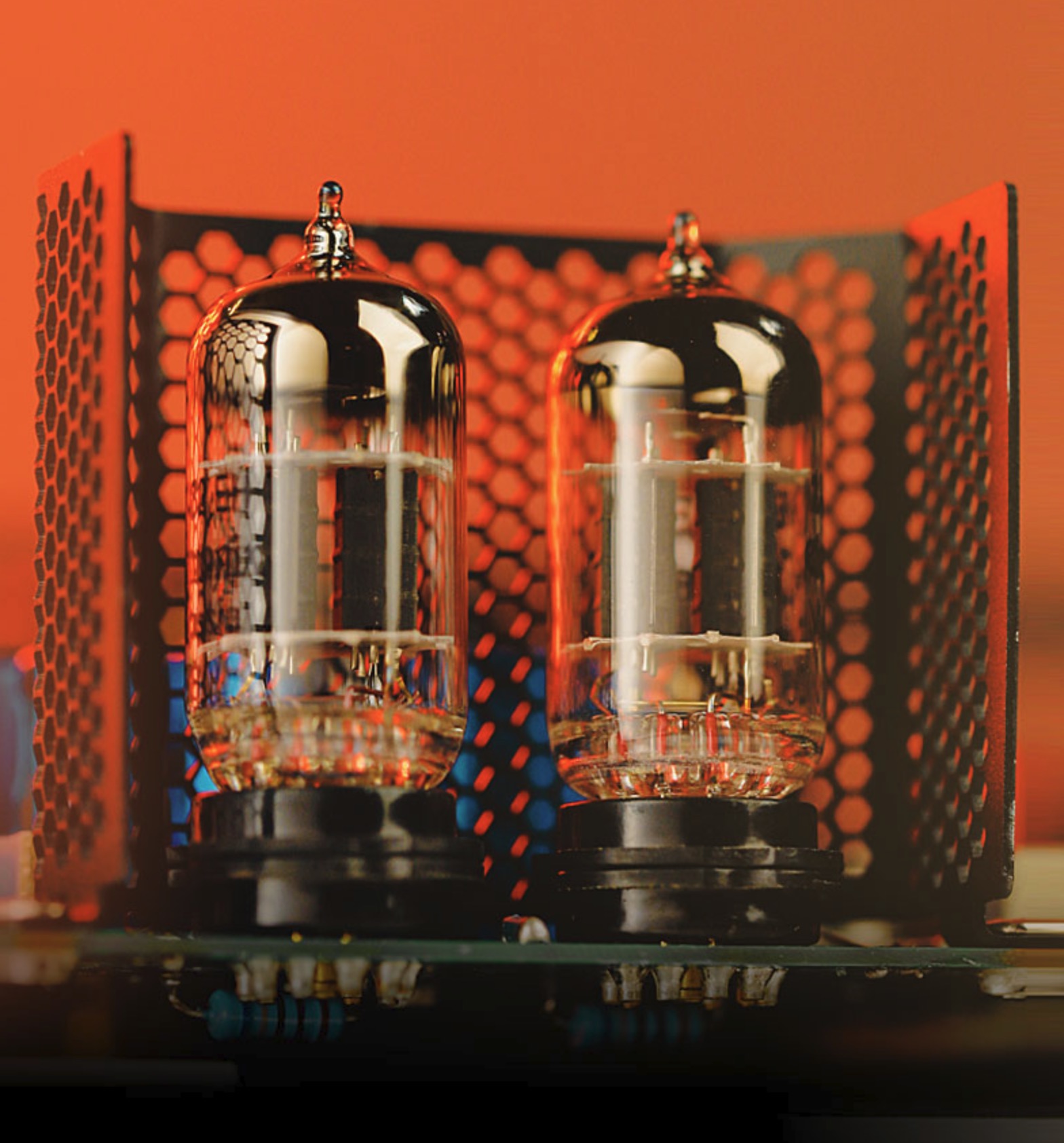
At the heart of the design lies the second-generation R2R DAC, built using a network of no fewer than 212 precision resistors with a tolerance of 0.01%. R2R technology uses a resistive ladder to reconstruct the signal, avoiding noise shaping and complex modulations, and the result, according to many, is superior sound quality, with a more ‘analogue’ tonal character than that offered by chip-based DACs. There are four 24-bit networks, given the balanced architecture. The manufacturer has invested heavily in this stage, which is capable of processing both PCM and DSD signals from SACDs, CDs or digital inputs. Alongside the conversion, another distinctive feature is the tube output section, based on a pair of 12AT7 tubes. A buffer stage designed to introduce a slight harmonic character, enriching the signal with that typical tube ‘warmth’ but without sacrificing transparency and control. The third pillar of the design is the handling of the SACD format and the DSD signal. Unlike many players that internally convert DSD to PCM, the SCD3.3 is designed to extract the native DSD stream from the disc and make it available to both the internal DAC and the digital outputs. In particular, via connections such as I2S (physically carried over HDMI), it is possible to transmit the pure DSD signal to a compatible external DAC, keeping the 1-bit structure typical of the SACD format intact. This is a crucial aspect for enthusiasts, as it allows them to fully exploit the format’s potential without intermediate steps that alter its nature.
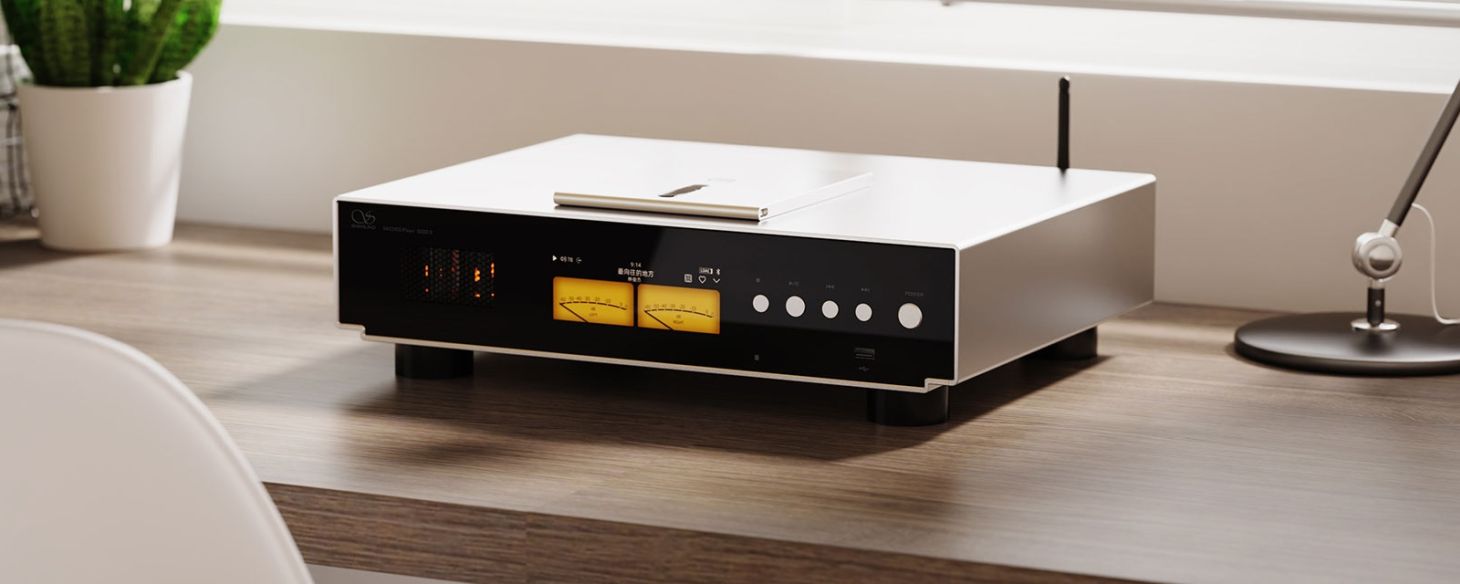
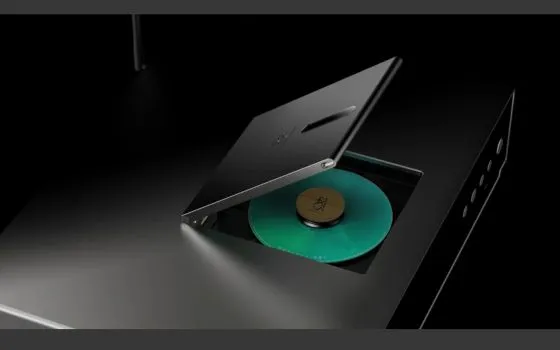
From a mechanical and conceptual standpoint, the choice of top-loading with a magnetic puck system is not merely nostalgic but functional: it eliminates vibrations and mechanical complexity, improving reading stability and reducing errors. The proprietary HD850 laser system ensures accurate data extraction from both CDs and SACDs, contributing to the overall signal quality even before conversion. All this is set within a meticulously engineered technical framework, featuring separate power supplies, a dual R30 transformer, clock management via dedicated oscillators (one pair for the FPGA and one for the XMOS section), as well as OPA1612 operational amplifiers and the legendary Muses8920E, with an internal design conceived to minimise jitter and interference. The unit is not just a player, but also a complete digital hub, capable of functioning as a standalone DAC and interfacing with modern sources, whilst maintaining a sound philosophy deeply rooted in the analogue tradition. The Shanling SCD3.3 is a product that appeals to a wide audience: those who still believe in the value of physical media but also want a top-tier DAC that is extremely up-to-date. The R2R DAC offers a rich and natural sound signature, the tube section adds a refined harmonic dimension, and the native DSD support – including via HDMI/I2S – represents one of the most comprehensive implementations available today in an SACD player.
Technical specifications:
- Discs supported: CD and SACD
- Digital inputs: USB-B, coaxial
- Digital outputs: USB-A, HDMI I2S, coaxial
- Analogue outputs: Simultaneous XLR and RCA
- Bluetooth: BT5.0 LDAC, aptX HD, aptX, AAC, SBC
- Max sample rate: 768/32, DSD64 SACD DSD512 via USB
- RCA/XLR output level: 2.45/4.9 V RMS
- Frequency response: 20Hz–40kHz
- THD distortion: 0.15%
- Dynamic range: 117dB
- Separation: 110 dB
- Signal-to-noise ratio: 117 dB
- Dimensions: 430 x 319 x 91 mm
- Weight: 10 kg
- Power supply: 230 V AC / 50 Hz
Price: 4199€
Click here to buy Shanling SCD3.3
Posted in:
News
Related products

ROSE RA180
Price: €6,999.00
ROSE RA180 è un amplificatore integrato all'avanguardia che utilizza le...
ROSE RA280
Price: €3,299.00
ROSE RA280 Top-notch Master Integrated Amplifier è un amplificatore integrato...
LAiV Harmony GaNM
Price: €5,779.00
LAiV Harmony GaNM Finali di potenza monofonici con semiconduttori al Nitrurio...
LAiV Harmony HP2A
Price: €3,689.00
LAiV Harmony HP2A, Preamplificatore interamente bilanciato simmetrico a...
Related posts
 Aune N5: accessible and refined
A network player with a built-in DAC, capable of excellent performance despite a price that is an understatement to...
Read more
AUNE NC1 EVO: the heart of time
High-precision Master Clock Audio OCXO with audio-grade linear power supply to significantly enhance any digital source
Read more
N7 & N7D two sides of the same coin
Two variants, N7 Class A headphone amplifier with discrete components, and the N7D which adds a reference...
Read more
Form and function
S17 Pro Evo, a headphone amplifier without compromise. Pure class A with a simply marvellous sound character.
Read more
LAiV Crescendo VERSE: R-2R power in desktop format
LAiV launches Crescendo VERSE: the new desktop R-2R DAC that combines discrete architecture, premium design and...
Read more